The Best Way to Install Composite Decking and Get the Best Results

Adding a deck gives you more room to relax, entertain guests, and enjoy your backyard. Choosing the right materials is an important part of making that space last. Composite decking is a popular option for homeowners who want the look of wood without spending every spring sanding, staining, or sealing their boards. With careful planning, proper installation, and quality materials from a reliable supplier like Empire Real Lumber, you can build an outdoor deck that looks great and holds up to changing weather.
What Makes Composite Decking Different?
Traditional wood decking has a natural appearance that many homeowners love, but it needs regular maintenance. Rain, sunlight, temperature changes, and insects can gradually affect the boards. Depending on the wood and how well it’s maintained, you may eventually need to replace damaged or worn sections.
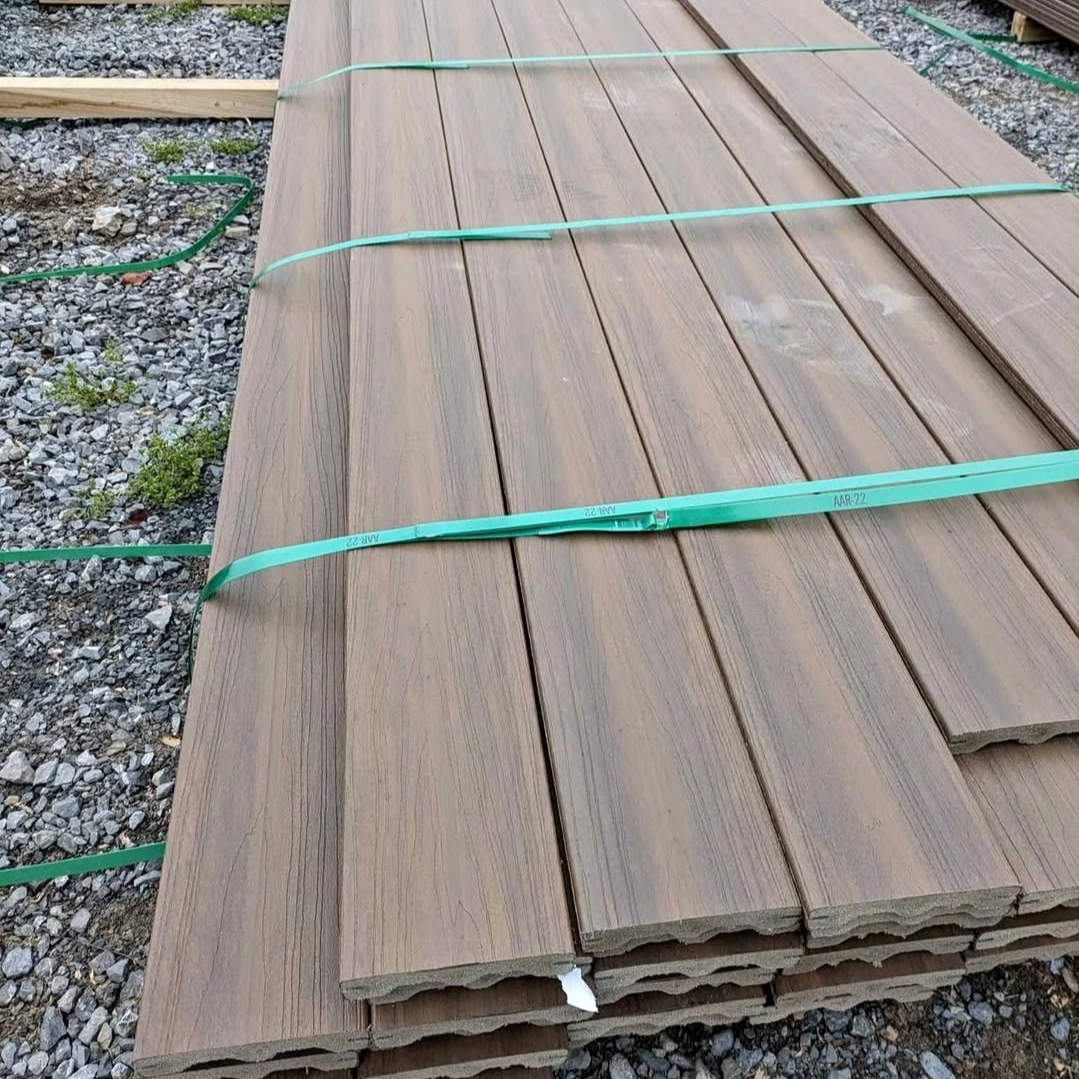
Composite boards offer a different approach. They’re manufactured from a combination of materials, often including wood fibers and recycled plastics, depending on the product. This construction helps them resist common problems such as rot, moisture damage, and staining. Many products also offer better color retention than untreated wood, although some fading and surface wear can still occur over time.
Another advantage is the range of available colors and finishes. Whether you prefer a natural wood appearance or a more modern look, composite boards can help you create a deck that complements your home’s exterior. They also eliminate the need for routine staining and sealing, making them an appealing choice for busy homeowners.
Start With a Solid Plan and Proper Framing
A good installation begins before the first board goes down. Measure the proposed deck carefully, decide on its shape, and calculate how many boards, fasteners, and finishing pieces you’ll need. Account for stairs, corners, picture-frame borders, and any areas where the deck meets the house.
Next, check that the framing is sound and suitable for the decking product you’ve chosen. Composite boards need consistent support underneath, so joist spacing must follow the manufacturer’s specifications. Existing wood framing should be inspected for rot, loose connections, and other signs of damage before new boards are installed.
Water should be able to drain away rather than collect beneath the deck, and the framing should have enough airflow to dry after rain. So check the drainage and ventilation, too. If the deck connects to the house, make sure the ledger board, flashing, and structural connections are properly installed. Local building codes may also require permits, guardrails, or specific structural details.
Cut Carefully and Choose the Right Fasteners
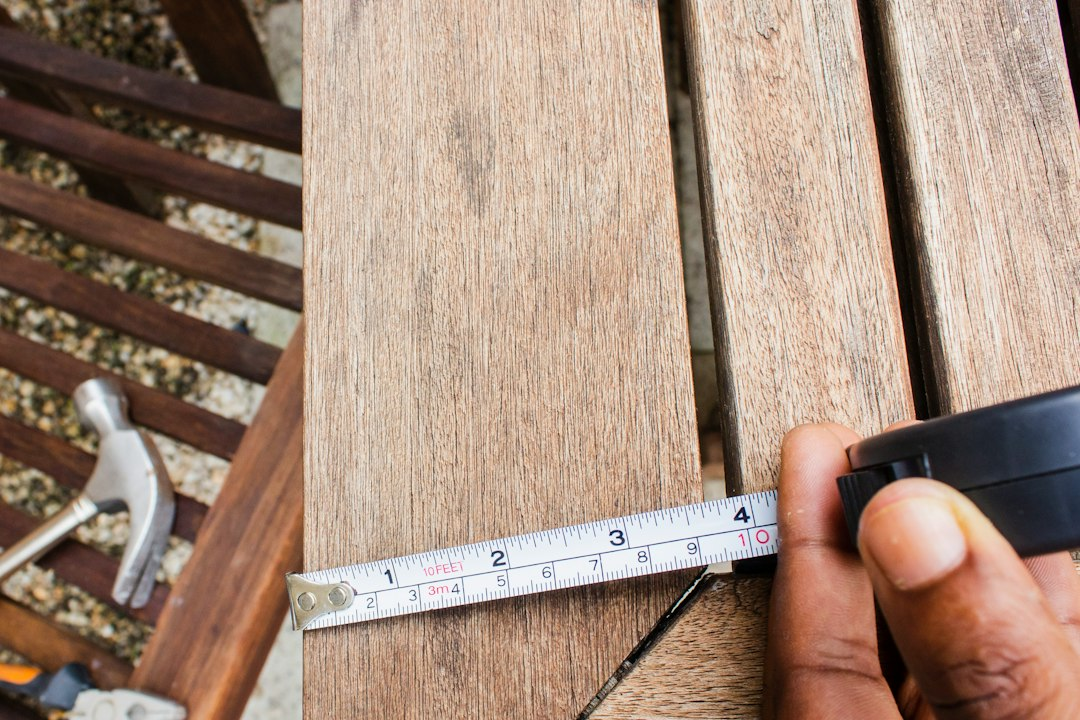
Accurate cuts make a noticeable difference in the final result. Measure twice before cutting, use a suitable saw blade, and keep your cuts straight and consistent. A guide can help when trimming long edges, especially if the cut will remain visible.
Check the ends of factory-cut boards before installing them. If they’re uneven or damaged, trim them as needed to create a neat joint. Follow the manufacturer’s recommendations for cutting and handling, and wear appropriate eye and hearing protection.
Fasteners deserve just as much attention as the boards themselves. Use screws or hidden fastening systems approved for your decking product. Exterior-rated, corrosion-resistant fasteners are important in the Northeast, where moisture, snow, and seasonal weather can take a toll on ordinary hardware.
Install fasteners at the specified locations and depths. Overtightening can damage the board surface, while incorrect placement may affect how securely the decking is held. If you’re using color-matched plugs or caps, line them up carefully for a more uniform appearance.
Keep Temperature and Finishing Details in Mind
Composite materials respond to temperature changes, so storing boards in direct sunlight before installation can affect how easily you handle and fit them. Whenever possible, follow the manufacturer’s guidance for storage and installation conditions. Keep boards supported and avoid leaving them where they can become excessively hot or unevenly exposed to the sun.
Once the main deck boards are in place, finish the perimeter, fascia, stairs, and other exposed areas. Measure fascia pieces carefully and leave the clearances recommended for the product. Where adhesive is permitted, apply it only as directed and avoid creating areas that trap water against the framing.
Before wrapping up, inspect the entire deck. Check the spacing, fasteners, edges, and seams. Make sure the surface is free of loose debris and that water can drain properly. A careful final inspection helps catch small problems before the deck is put to regular use.
Why Choose Composite for Your Outdoor Space?
For many homeowners, the biggest advantage is less maintenance. Composite decking doesn’t need the regular staining or sealing associated with many traditional wood decks. Routine cleaning is generally enough to keep it looking presentable, although the right cleaning method depends on the manufacturer.
Durability is another reason to consider it. Quality composite boards are designed to resist rot and many forms of moisture-related damage. They can also be a good choice for households that use their decks frequently for barbecues, family gatherings, or simply relaxing outside.
Appearance is part of the appeal as well. Consistent board colors, coordinated trim, and picture-frame borders can give a deck a polished look. While composite materials may cost more upfront than some basic wood options, lower routine maintenance can make them worthwhile for homeowners planning to keep their outdoor space for years.
Find Quality Decking Supplies at Empire Real Lumber
Choosing good materials is only part of the process. You also need a supplier who can help you find suitable boards for your project, no matter what it is. Empire Real Lumber serves contractors and homeowners across New York, Connecticut, Massachusetts, Ohio, and Vermont, with decking options for a range of outdoor projects.
Our selection includes low-maintenance six-inch composite boards designed to resist fading, staining, and rot, along with pressure-treated decking made from southern yellow pine. Pressure-treated wood remains a practical option for homeowners who prefer traditional lumber and want added protection against moisture and insects.
We bring together product selection, contractor-grade materials, and personal service to help customers plan their projects. If you’re unsure how much material you need, want to compare decking options, or need information about pricing and bulk orders, our team can help you work through the details before construction begins.
A well-built deck starts with sound framing, accurate measurements, suitable fasteners, and materials chosen for your climate and lifestyle. If you need composite decking or other lumber supplies, we can help you create an attractive outdoor space without the demanding upkeep of traditional wood. Browse the decking options here or call 315-870-4072 to discuss availability, pricing, and the materials you’ll need for your next project.