Pine Lumber: A Great Starting Point for Beginner Woodworkers
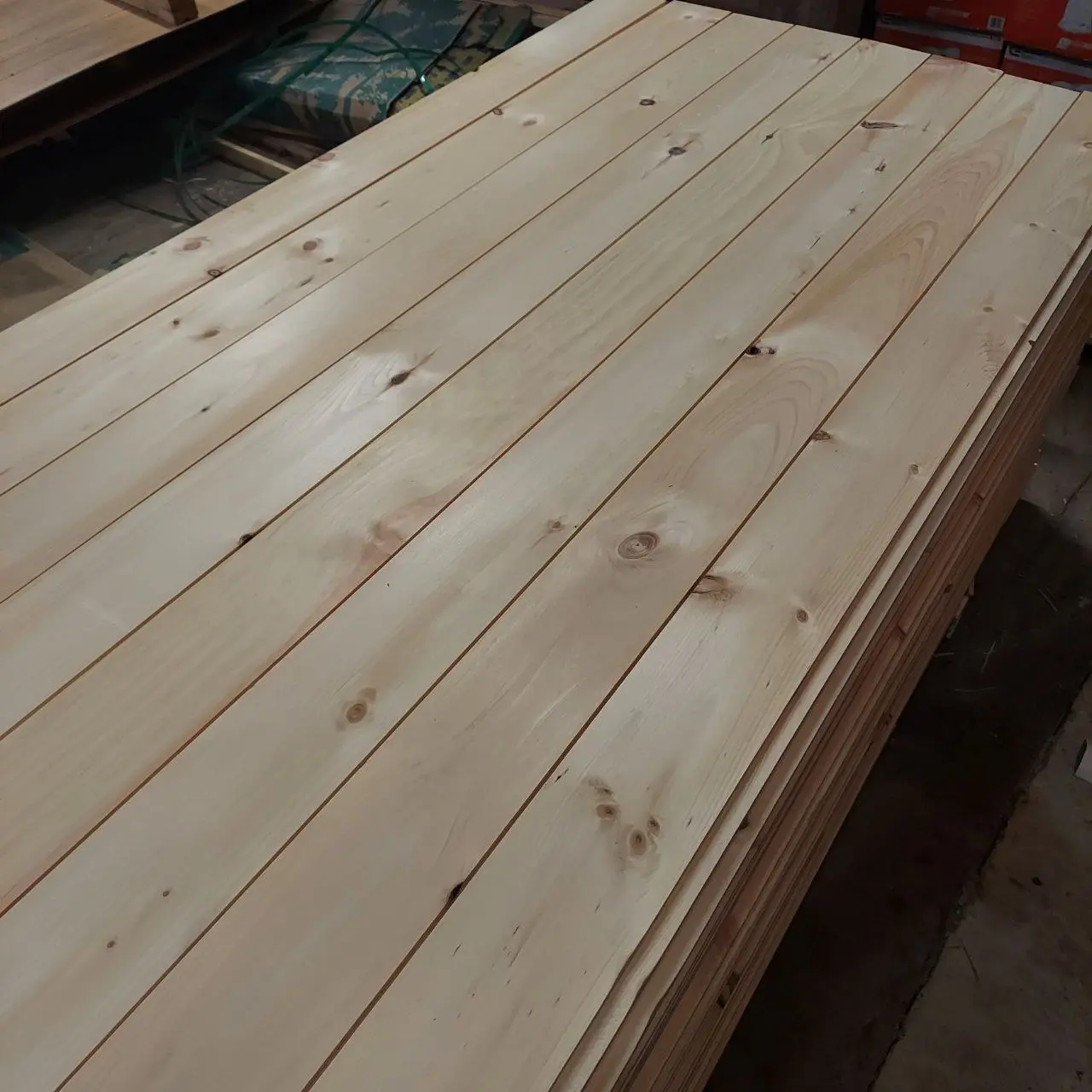
Getting started with woodworking doesn’t have to mean investing in expensive tools or costly materials. For beginners, choosing an affordable wood that’s easy to cut, shape, and assemble can make those first projects much less intimidating. That’s why pine lumber is such a practical place to start.
It’s a wood that is widely available, relatively inexpensive, and suitable for all kinds of small projects around the home. With the right boards and a little patience, new woodworkers can learn basic skills, build useful items, and gain confidence before moving on to more expensive hardwoods.
What Makes Pine a Good Choice?
Pine comes from coniferous trees and is classified as a softwood. The term refers to the type of tree it comes from, although pine is also physically softer than many hardwoods. That softness is one of the reasons it’s so approachable for beginners.
Pine is generally easy to cut, drill, sand, and fasten. You don’t need an elaborate workshop to get started, and standard woodworking tools are usually enough for many basic projects. Its relatively forgiving nature also makes it easier to practice measuring, making straight cuts, joining pieces, and applying finishes.
And because pine lumber is commonly used in construction, many lumber suppliers have it in stock, and it’s often less expensive than hardwoods such as oak, maple, or walnut. If you make a mistake while learning, replacing a board is usually less painful for your budget.
Pine also has a familiar, natural appearance. Its light color and visible grain work well with a range of finishes, from clear coatings that preserve its natural look to paint for a more colorful result. Knots and variations in the grain can add character, especially if you like rustic or farmhouse-style furniture and decor.
Understand Pine’s Limitations
Although pine lumber is easy to work with, it’s not the best material for every job. Its softness means the surface can dent or scratch if you drop a tool on it or bump it against a hard edge. Projects that see heavy daily use may show wear sooner than those made from harder wood.
And the preference for the specific board selection matters, too. Construction-grade pine is often sold for framing rather than fine woodworking. Some boards may be warped, twisted, rough, or marked with large knots. Before buying, look down the length of each board to check for bends and choose pieces that are as straight and dry as possible.
Pine also has a high moisture content, but it can dry much faster. Wood can shrink or move as it dries, so using damp lumber for a project that needs accurate joints can lead to gaps or distortion later. If you’re building indoor furniture or cabinets, choose suitable, dry material and give it time to acclimate to your workspace when appropriate.
But finishing pine takes a little practice. Because it absorbs stains unevenly, dark stain can sometimes leave blotchy patches. Testing your chosen finish on a scrap piece first can save frustration. Clear finishes, paint, or a suitable pre-stain conditioner may give you a more consistent result, depending on the look you’re after.
Beginner Projects That Work Well With Pine Lumber
One of the best ways to learn woodworking is to start with a project that has a clear purpose without requiring complicated joinery. Pine is a good match for several useful household items.
- Shelves and simple bookcases: Useful projects for practicing how to make joints line up neatly.
- Planter boxes and garden organizers: Pine is easy to cut into manageable pieces, making it a good choice for simple outdoor projects. For anything exposed to rain or soil, select lumber rated for the intended use and apply an appropriate finish.
- Small tables and benches: A basic side table or sturdy workbench can help you practice building a frame and attaching a top.
- Picture frames and wall decor: These smaller projects are useful for learning how to make accurate cuts and smooth edges.
- Storage crates and entryway organizers: These are forgiving projects where you can practice fastening boards and making practical use of leftover material. A simple design also leaves room to experiment with paint, stain, or decorative hardware.
Why Buy From Empire Real Lumber?
Finding the right boards can make a real difference when you’re learning. Empire Real Lumber is a locally owned lumber supplier based in Upstate New York, and we bring construction experience with a focus on helping contractors, builders, and homeowners find materials suited to their projects.
We serve customers throughout New York, including Central, Western, and Upstate communities, with deliveries to many other areas across the Northeast. Empire Real Lumber also serves Connecticut, Massachusetts, Ohio, and Vermont. Depending on availability and scheduling, we offer delivery options to help DIY customers get materials to their homes without having to transport long or bulky boards themselves.
Start Small and Build Your Skills
You don’t need premium hardwood to make something worthwhile. Start with a manageable project, select straight boards, measure carefully, and take time to sand and finish the work properly. As your skills improve, you can experiment with different woods and more challenging designs.
For beginners, pine lumber offers a practical combination of affordability, workability, and natural character. With a dependable supplier like Empire Real Lumber, you can find materials for your next project and learn the craft one board at a time. Contact our team to discuss your needs, check availability, and arrange delivery for your next woodworking project.