What Matters When Choosing Composite Decking for Your Outdoor Project
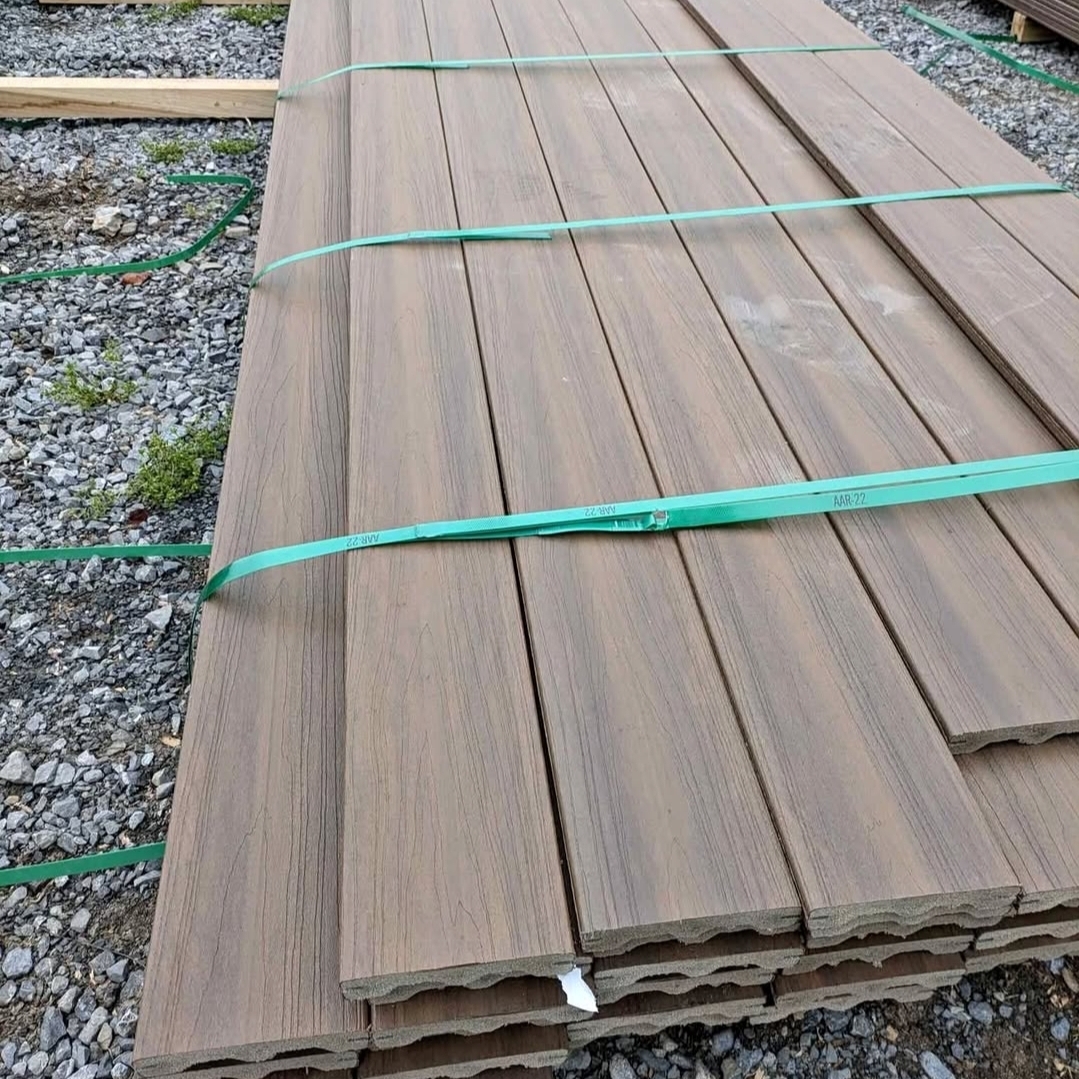
When you are planning to create a DIY outdoor living space, composite decking can be an appealing choice for those who want the look of a finished deck without the constant maintenance associated with traditional wood. But choosing the right boards is only part of the job. The framing, drainage, spacing, fasteners, layout, and installation method all impact how the finished deck appears and its long-term performance. A little preparation before the first board goes down can save a lot of frustration later.
What Makes Composite Decking Different
Composite deck boards are designed to provide a durable alternative to conventional wood. They don’t require the same cycle of staining, sealing, and refinishing, and quality boards can resist common outdoor problems such as rot, staining, and fading. That’s especially useful in areas where decks face changing weather throughout the year.
Also, they have a visual appeal that many modern homeowners prefer. Modern composite boards are available in colors and finishes that can give a deck a clean, consistent appearance. Hidden fastening systems can make the surface look even more polished because there aren’t rows of exposed screw heads interrupting the boards. That doesn’t mean composite is completely maintenance-free. Dirt, leaves, pollen, and other debris still need to be cleaned away. Water also needs somewhere to go. A well-designed deck should encourage drainage rather than creating pockets where moisture can sit against the boards or framing.
Start with the Structure Underneath
Of course, you need to choose beautiful deck boards, but don’t overlook the foundation beneath them. Before installation, check that the framing if it is properly spaced, level, square, and structurally sound. Existing decks should be inspected carefully before replacing old boards. If the framing is warped or deteriorated, new boards won’t magically correct the problem.
Look for leaves, pine needles, and dirt between boards, as these can hold moisture against the framing. Joist protection can help shield vulnerable areas, while thoughtful drainage details prevent water from lingering where it shouldn’t. This is particularly important in climates that alternate between rain, snow, freezing temperatures, and summer heat.
Consider Expansion and Spacing
Composite decking boards react to temperature changes, so installation isn’t simply a matter of pushing everything tightly together. Follow the manufacturer’s specifications for end gaps, side-to-side spacing, fastener placement, and clearance around walls or other structures.
A common DIY mistake is assuming every board will be perfectly straight. They won’t. Some pieces may have a slight bow or variation, which means careful alignment matters. Taking measurements periodically and checking the run with a straightedge or string line can keep small inconsistencies from becoming obvious across the entire deck. The first few boards deserve extra attention. If they’re crooked, that error tends to travel. Start straight, and the remaining installation becomes considerably easier.
Avoid Common Composite Decking Mistakes
If you love shortcuts for your outdoor projects, make sure that they do not cause problems later. Some installation shortcuts may not be a good choice later on. Consider the following:
- Choosing boards based only on appearance. Color matters, but so do dimensions, installation requirements, availability, and the compatibility of the fastening system.
- Skipping drainage planning. Water trapped around the ends of boards or against framing can create unnecessary problems.
- Using the wrong fasteners. Composite products often work with specific clips and screws. Mixing systems or improvising can affect the appearance and performance of the deck.
- Overtightening fasteners. More force isn’t necessarily better. Excessive pressure can damage the board or interfere with the fastening system.
- Failing to check alignment. Even small gaps or variations become much more noticeable as they repeat across a large surface.
- Trying to rush the finishing work. Picture-frame borders, fascia, stair details, and perimeter cuts are where a DIY project can either look professionally finished or distinctly homemade. Measure twice and take your time.
Empire Real Lumber is Your Composite Decking Supplier
For a DIY deck, having a reliable supplier can make the entire process easier. Empire Real Lumber serves contractors and homeowners across New York, Connecticut, Massachusetts, Ohio, and Vermont, giving DIY builders access to quality deck materials along with practical help when questions come up. That matters when you’re trying to determine how much material to order, which boards work for a particular application, or whether the fasteners and accessories you’re considering are compatible.
We offer low-maintenance composite boards as well as pressure-treated decking made from southern yellow pine. That gives homeowners options depending on their budget, design preferences, and expectations for long-term maintenance. For larger projects, discussing pricing, availability, and bulk quantities with a lumber specialist can also help you plan the job before placing an order.
A great outdoor space starts with good materials, but the details underneath and during installation matter just as much. Choose boards suited to your climate, plan for drainage, follow the manufacturer’s installation requirements, and don’t rush the layout or finishing work. With a dependable supplier like Empire Real Lumber behind you, composite decking can give your DIY project the clean appearance, durability, and lower-maintenance performance you’re looking for.
